01/12/2025
Recovery after maxillofacial surgery, implant treatment, facial trauma, or even a functional problem like bruxism, depends not only on the medical procedure. Maxillofacial physiotherapy is an essential part of the process, as it helps tissues heal better, mobility recover more quickly, and aesthetic and functional results become more stable over time. At the Maxillofacial Institute,...
12/05/2025
Bruxism has become an increasingly common problem in adults of all ages, although many people suffer from it without knowing it. What exactly is bruxism? Bruxism is a disorder in which a person involuntarily clenches or grinds their teeth. It can occur during the day (daytime bruxism) or at night while sleeping (nocturnal bruxism). In...
11/07/2023
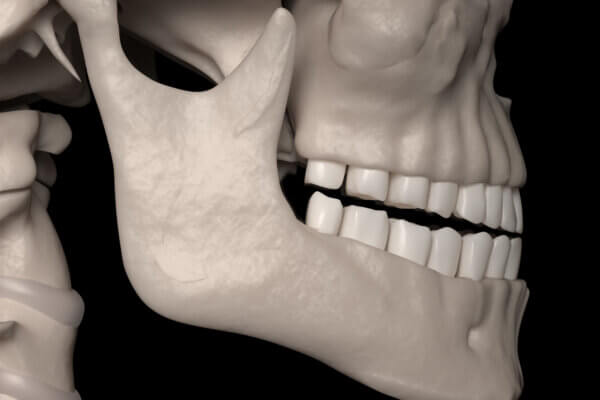
Condylectomy is a surgery in which the mandibular condyle (the part of the jaw that articulates with the skull at the temporomandibular joint (TMJ)) is partially or completely removed. It is performed to treat problems such as: recurrent dislocation of the jaw TMJ ankylosis (partial reduction of jaw movements or complete immobility of the jaw)...
07/04/2022
We rarely think that poor posture can affect our occlusion and by extension, the appearance of our face. Correct posture means that the body weight is correctly distributed and there is good body balance. When we do not maintain good posture, the body seeks to compensate and seek balance in various ways: throwing the head...