01/12/2025
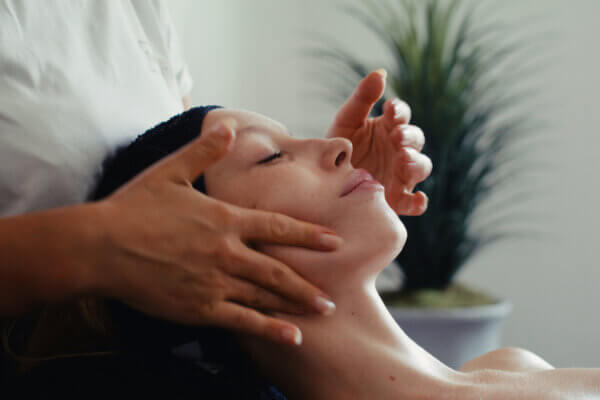
Recovery after maxillofacial surgery, implant treatment, facial trauma, or even a functional problem like bruxism, depends not only on the medical procedure. Maxillofacial physiotherapy is an essential part of the process, as it helps tissues heal better, mobility recover more quickly, and aesthetic and functional results become more stable over time. At the Maxillofacial Institute,...
14/12/2020
After dental causes, the second most common cause of orofacial pain (in the face and mouth area) is craniomandibular dysfunction. Craniomandibular Dysfunction (CMD) is defined as the set of pathologies and clinical situations that cause disorders in the masticatory system, which includes the muscles of the mouth and face, and the joints of the mouth....
24/10/2019
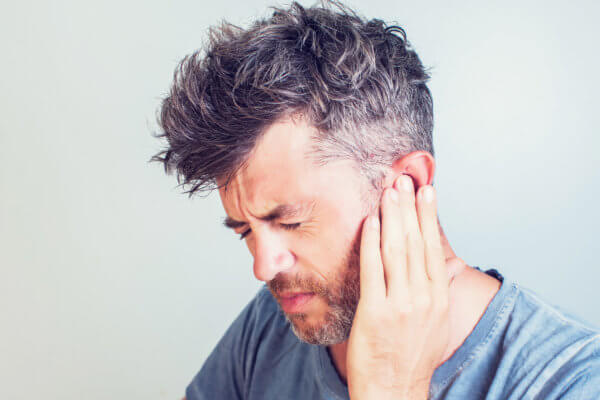
Patients with TMJ disorders may see an increase in their symptoms during the colder months. This is because in cold weather, our body tries to gain heat by shivering, which in turn causes our muscles to tense and our teeth to chatter, increasing the level of discomfort in the area of the temporomandibular joint. So,...
28/09/2019
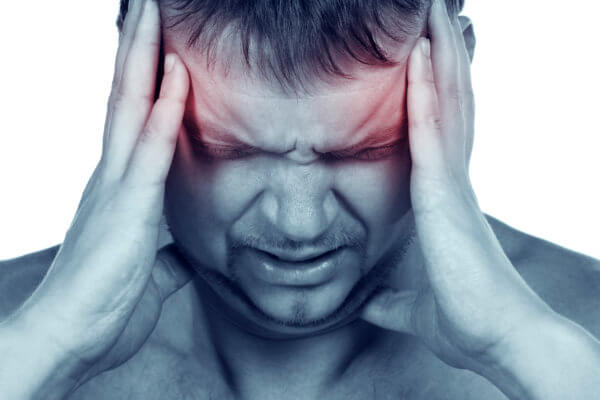
Nowadays, stress is one of the most frequent enemies of our lives and one of the biggest responsible for very common symptoms, such as tension headache. Oftentimes this type of tension or stress headache are related to disorders of the temporomandibular joint (TMJ), which is the joint formed by the upper part of the jaw...