15/10/2026
The director of the Maxillofacial Institute once again appears in the international Stanford–Elsevier ranking. In the October 2026 edition, he holds the 8th position among Spanish scientists in the field of Dentistry based on the impact of his entire career, and ranks 251st globally based on the impact of his research during the most recent...
16/06/2026
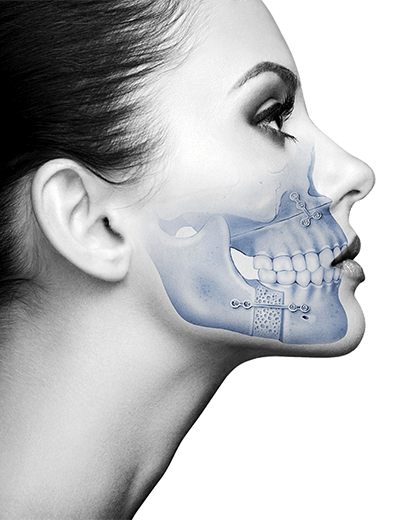
The evolution of orthognathic surgery Orthognathic surgery has undergone a significant transformation in recent years thanks to the incorporation of new technologies and surgical techniques designed to minimize surgical trauma while maximizing the aesthetic result and patient satisfaction. As a result, low-impact orthofacial surgery has emerged. This type of surgery seeks to correct functional and...
12/02/2026
Orthofacial surgery has evolved toward more precise, less invasive, and patient-centered models. In this context, LIOS (Low Impact Orthofacial Surgery) emerges as a comprehensive philosophy developed under the direction of Prof. Federico Hernández-Alfaro, redefining how orthognathic surgery is planned and experienced. LIOS is not a single surgical technique. It is an integrated treatment approach designed...
22/01/2026
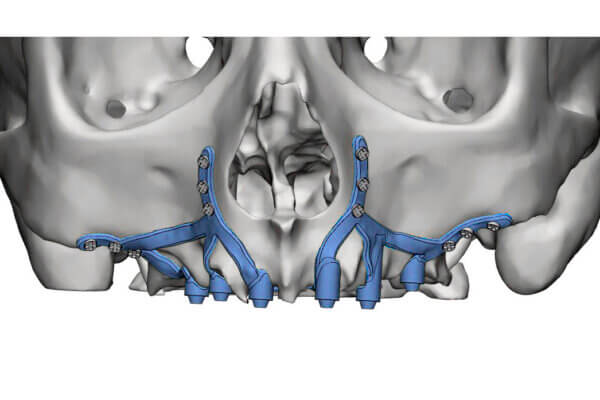
The choice between traditional implants and subperiosteal implants should always be based on an individualized diagnosis performed by a specialized maxillofacial surgeon. This table will help you understand the indications for both, so you can better understand why the specialist recommends one option or the other. Relationship with the bone Traditional implants: These are placed...