

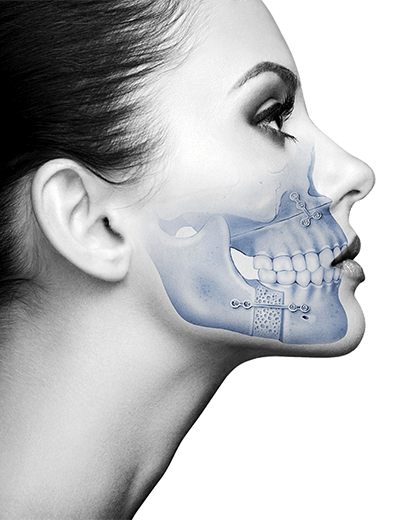
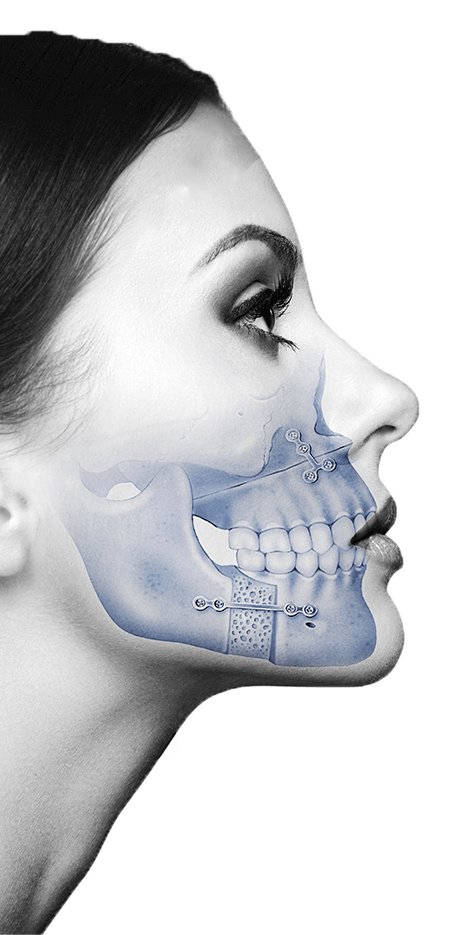

The evolution of orthognathic surgery
Orthognathic surgery has undergone a significant transformation in recent years thanks to the incorporation of new technologies and surgical techniques designed to minimize surgical trauma while maximizing the aesthetic result and patient satisfaction. As a result, low-impact orthofacial surgery has emerged.
This type of surgery seeks to correct functional and aesthetic alterations of the face, minimizing the impact of the surgery on the patient and promoting a more comfortable recovery, without compromising the results. It takes a holistic approach that begins before surgery and continues long after the patient leaves the operating room.
What is orthofacial surgery?
Orthofacial surgery aims not only to correct bite problems but also to comprehensively improve respiratory function, chewing, facial balance, and the patient's quality of life.
To achieve this, it combines medical, functional, and aesthetic criteria to obtain more complete and personalized results.

What does "low-impact" mean?
It involves using tools and protocols that reduce surgical trauma, operating room time, and optimize recovery.
Its main features include:
• 3D digital planning, which allows for highly precise surgical design before entering the operating room.
• Advanced surgical techniques aimed at minimizing tissue damage: smaller, more targeted incisions and intraoral surgical approaches, leaving no visible scars.
• Greater precision in bone movements, leading to more predictable results thanks to 3D planning and the digital surgery performed beforehand on the patient's model.
• A multidisciplinary approach, with the participation of specialists in orthodontics and maxillofacial surgery, focusing on both function and aesthetics.
• Pre and post-surgical support, with nurses trained in lymphatic drainage and specific care for this type of surgery, as well as a specialized diet, recovery exercise routines, and psychological support.
It might interest you: Postoperative care at Maxillofacial Institute
Main benefits
Thanks to these advances, patients can benefit from:
• Less postoperative inflammation and discomfort.
• Faster and more comfortable recovery.
• More precise and stable results.
• Improved breathing and chewing function.
• A more balanced and natural facial harmony.
When is it indicated?
Low-impact orthofacial surgery may be an option for patients with:
• Severe malocclusions.
• Mandibular or maxillary retrusion.
• Facial profile alterations.
• Obstructive sleep apnea related to facial anatomy.

Patient-centered surgery
Low-impact orthofacial surgery represents a new way of understanding orthognathic surgery: more precise, more personalized, and focused on improving both function and aesthetics with the least possible impact on the patient, paying attention not only to the surgical process but to the entire patient journey, from the moment they make their decision until they receive medical discharge.
Related Content:
What Is LIOS? The Low-Impact Orthofacial Surgery Philosophy
Facial Harmony and the Barcelona Line
“Sleep Apnea Face”: Facial Signs That May Indicate Airway Problems
CPAP vs Orthognathic Surgery: Which Option Is Right for You?