15/10/2019
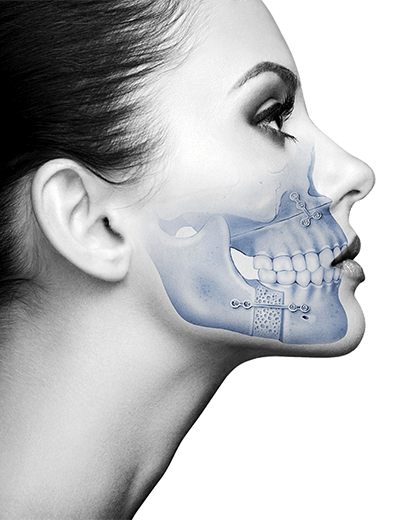
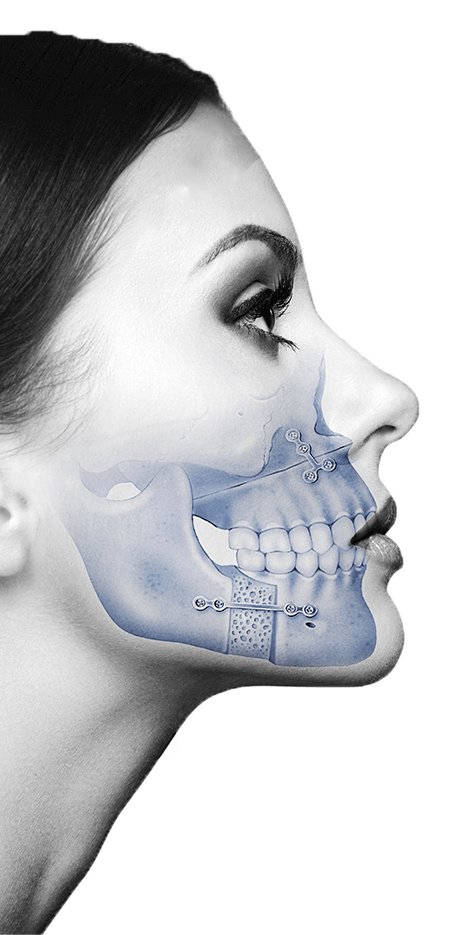
In most candidates to orthognathic surgery , it is necessary to reposition both jaws to achieve proper occlusion and facial harmony, this procedure is known as maxillomandibular surgery, double jaw surgery or bimaxillary orthognathic surgery. Bimaxillary orthognathic surgery is used to treat malformations such as Class 2 bite, Class 3 bite, facial asymmetry, or open...
07/10/2019
UIC Barcelona has recently announced the launch of a new research project: the Thematic Network of Bactericidal Biomaterials for the Fight against Periimplantitis, with funding from the Ministry of Science, Innovation and Universities (MCIU) - State Research Agency (AEI). This is a project coordinated by Xavier Gil, rector of the UIC, and with the participation...
01/10/2019
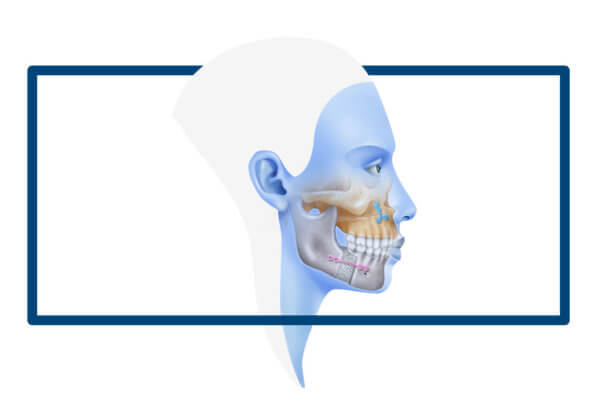
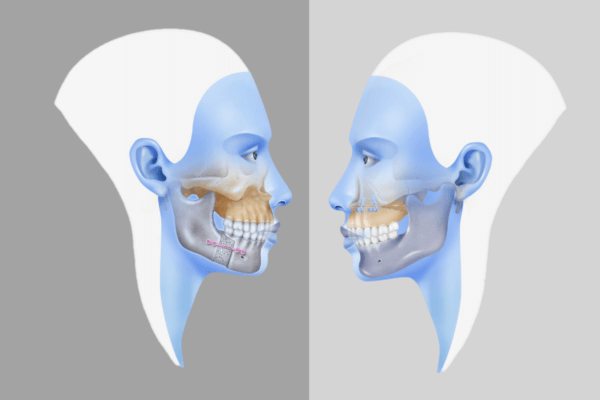
Orthognathic surgery is indicated to treat the imbalances that exist between the jaw and maxilla of a patient. When we talk about monomaxillary orthognathic surgery, we mean an intervention that treats only one of these two parts, either the jaw or the maxilla. Thus, monomaxillary orthognathic surgery can be of two types: Orthognathic maxillary...
28/09/2019
Nowadays, stress is one of the most frequent enemies of our lives and one of the biggest responsible for very common symptoms, such as tension headache. Oftentimes this type of tension or stress headache are related to disorders of the temporomandibular joint (TMJ), which is the joint formed by the upper part of the jaw...