02/08/2023
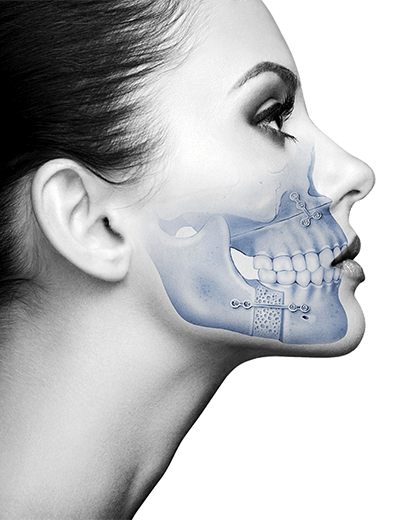
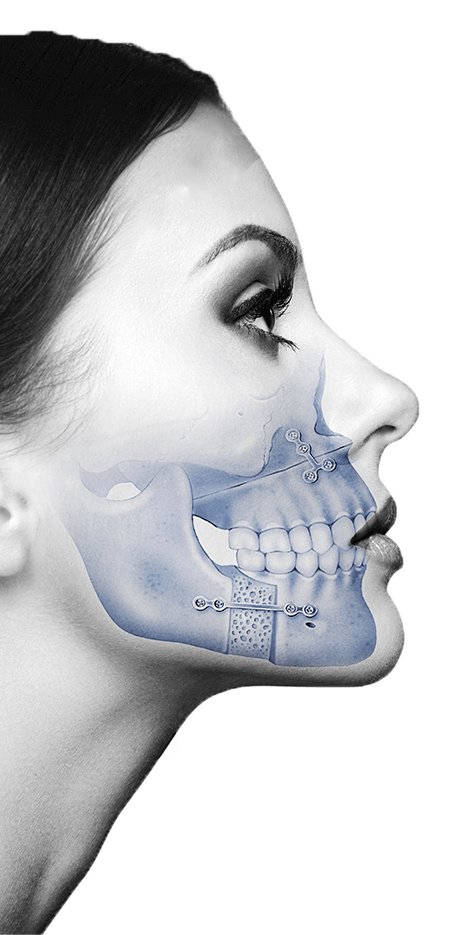
During the first few days after orthognathic or orthofacial surgery, patients often experience swelling, discomfort, and limited movement of the jaw. Eating can be challenging and patients are generally advised to stick to a soft food diet. The jawbone will gradually heal and swelling will subside over time, allowing patients to resume a more regular...
11/07/2023
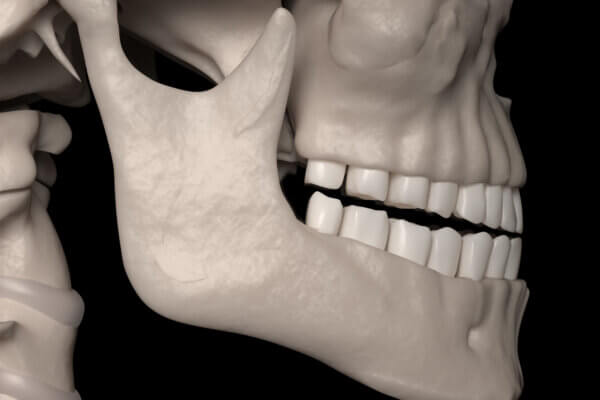
Condylectomy is a surgery in which the mandibular condyle (the part of the jaw that articulates with the skull at the temporomandibular joint (TMJ)) is partially or completely removed. It is performed to treat problems such as: recurrent dislocation of the jaw TMJ ankylosis (partial reduction of jaw movements or complete immobility of the jaw)...
04/05/2023
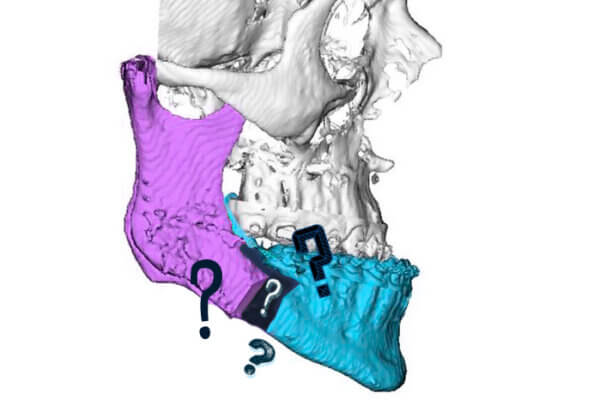
During orthofacial surgery, the surgeon can create spaces between the facial bones that have been repositioned to achieve the desired correction. To ensure proper healing and stability of the jaw or maxillary bones, it is often necessary to fill these gaps with some type of material. Any space greater than 2mm must be filled, since...
18/04/2023
Many people wonder if it is necessary to dissolve their fillers before orthognathic surgery. Although strictly speaking, facial fillers do not have any effect or influence on surgical movements and subsequent recovery, they can have an effect on the planning, at the moment when the surgeon analyzes the patient's features and visualizes the changes that...