29/10/2019
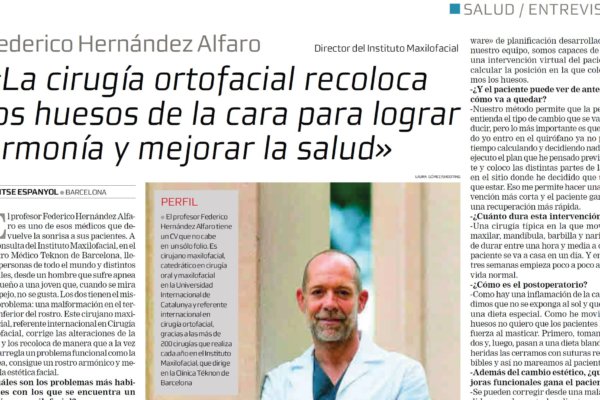
Last October 23, Dr. Federico Hernández Alfaro was interviewed for the segment 'A tu Salud' of the newspaper La Razón, to talk about orthognathic surgery, a procedure that is little known, despite being the treatment indicated to correct conditions that affect a large part of society In the interview, Dr. Hernández Alfaro talks among other...
22/10/2019
Prof. Federico Hernández-Alfaro, Dr. Adaia Valls, Dr. Jorge Masià, Dr. Maria Giralt and Dr. Raquel Guijarro have recently published an article in the first quarter magazine BMJ Open Respiratory Research. This paper shows the conclusions of a study on the effects of maxillomandibular surgical advancement on the dimensions of the pharyngeal airway and the apnea-hypopnea...
18/10/2019
Before orthognathic surgery, the majority of the candidate patients must undergo an orthodontic treatment that prepares them for surgery (except those patients to whom the Surgery First or Surgery Only protocol applies) this requires close collaboration between maxillofacial surgeon and orthodontist. Pre-surgical preparation includes different stages that vary from patient to patient, depending on their...
15/10/2019
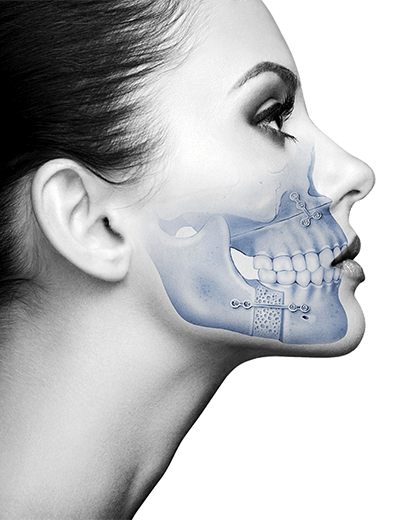
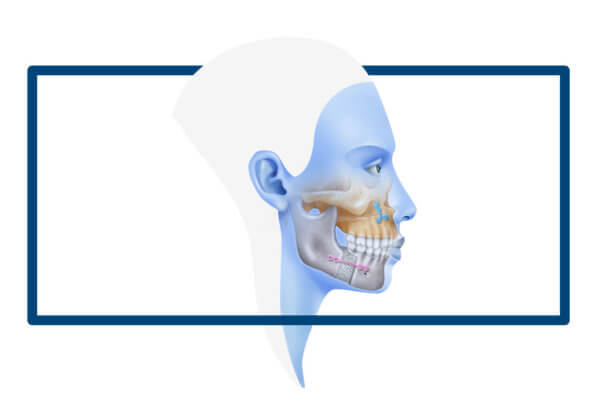
In most candidates to orthognathic surgery , it is necessary to reposition both jaws to achieve proper occlusion and facial harmony, this procedure is known as maxillomandibular surgery, double jaw surgery or bimaxillary orthognathic surgery. Bimaxillary orthognathic surgery is used to treat malformations such as Class 2 bite, Class 3 bite, facial asymmetry, or open...