


The Questions That Worry Our Patients Most
Throughout 2025, thousands of people visited the blog of Instituto Maxilofacial seeking clear, medical, and reliable answers about their oral and facial health. Far from focusing on complex or overly technical topics, the most-read articles share a common thread: they address very specific questions that often arise before or after treatment.
These were the five most-viewed articles of the year:
1. Why is one side of my face more swollen than the other after my orthognathic surgery?
Recovery after orthognathic surgery raises many questions, but asymmetric swelling is undoubtedly one of the most frequent. This article was the most-read of the year because it addresses a very common fear: the feeling that “something isn’t right.”
It clearly explains that not all structures swell in the same way, that the body doesn’t respond symmetrically, and when that swelling falls within the normal range. It reassures, guides, and avoids unnecessary alarm, something patients greatly appreciate.
2. What do Class I, Class II, and Class III malocclusions mean?
This content has become a fundamental reference. Many patients hear these terms for the first time in a consultation and need to understand them calmly, without rushing and without unnecessary technical jargon.
The article's success lies in its didactic approach: it helps patients understand how malocclusions are classified, what functional and aesthetic implications each type has, and why, in some cases, orthognathic surgery is the best solution. This is key information for making informed decisions.
3. What to eat after your wisdom tooth extraction?
A seemingly simple topic, but one with a huge impact on the patient's daily life. This article stands out because it answers a very practical question at an uncomfortable time: pain, swelling, and constant doubts about what can and cannot be eaten.
The content combines medical recommendations with common sense, helping to avoid complications and promoting a faster recovery. It's the kind of post that gets saved, reread, and shared.
4. Temporomandibular Joint (TMJ): Syndrome, Symptoms, and Treatments
TMJ disorders remain underdiagnosed, and this is clearly reflected in the interest this article generates. Headaches, clicking, jaw locking, or neck pain lead many patients to search for answers online even before going to the doctor.
This post works because it connects disparate symptoms to a common cause and explains, with medical rigor, the available treatment options. For many readers, it's the first step in understanding that their problem has a solution.
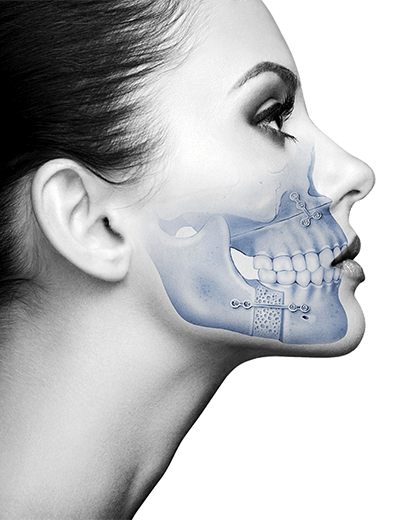
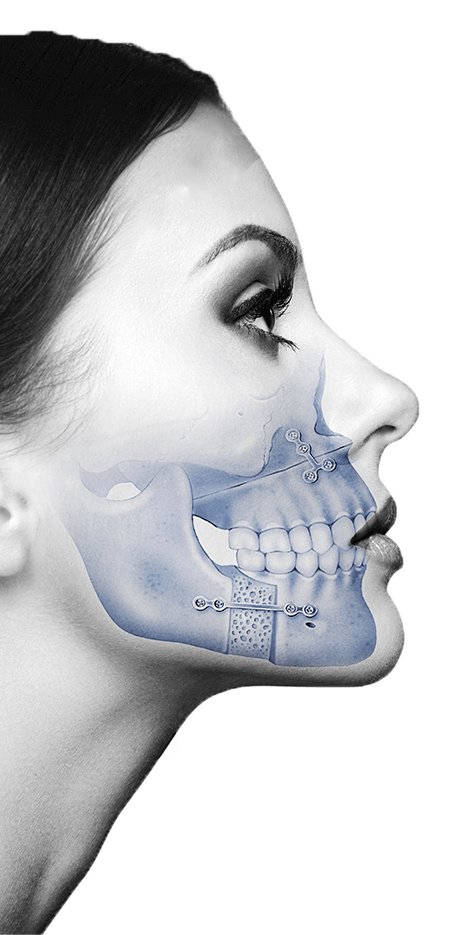
5. Should Plates Be Removed After Orthognathic Surgery?
Rounding out the top 5 is another very common postoperative question: what happens to the plates and screws used during surgery? This isn't a trivial question and often causes concern in the medium and long term.
The article clarifies when it's necessary to remove them, when it's not, and why in most cases they can remain without causing problems. Again, clear information that brings calm and confidence to the surgical process.
What this data tells us
The most-read articles of 2025 confirm something we see daily in our practice: patients seek understanding, reassurance, and honest explanations. They don't just want to know "what's being done," but "what's going to happen to them" and "if what they're feeling is normal."
At the Maxillofacial Institute, we will continue creating content that answers these real questions, with the same medical rigor we apply to every treatment and with accessible language for those who matter most: the patient. Keep reading in 2026!