

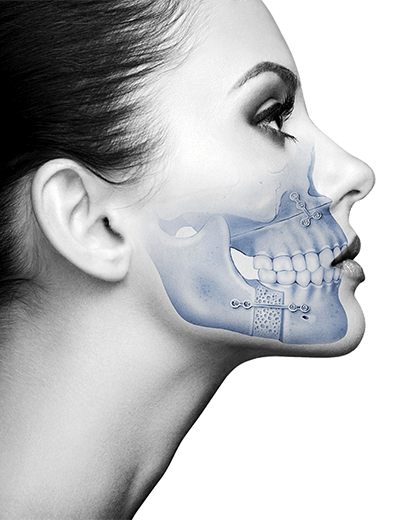


The first consultation with a maxillofacial surgeon is not just an informational visit. It is a thorough clinical evaluation aimed at understanding the real origin of the problem, determining whether there is a surgical indication and, above all, deciding whether surgery is truly the best option.
Why questions are so important in maxillofacial surgery
Maxillofacial surgery addresses bony structure, function, facial balance and long-term quality of life. For this reason, it is not enough to look at a radiograph or a bite: the full clinical context is essential.
Questions about the reason for consultation
What concerns you the most right now?
This question helps prioritize symptoms and understand the patient’s real expectations, which do not always match the medical diagnosis.
When did it start and how has it evolved?
The time factor is key to differentiating between growth-related problems, progressive alterations and acute conditions.
Questions about function

Do your teeth fit together properly? Does your bite feel correct?
A malocclusion may be behind dental wear, joint pain and muscle overload, even when the patient is not fully aware of it.
Do you have difficulty chewing or feel fatigue when eating?
Chewing fatigue often indicates real functional alterations, not just an aesthetic concern.
Do you breathe well through your nose? Do you snore?
These questions are essential to detect airway obstruction and assess the risk of sleep apnea, which is frequently related to a certain type of facial structure, such as mandibular hypoplasia (small jaw), mandibular retrusion (retracted jaw) or biretrusion (maxilla and mandible backwards).
Questions about pain and the temporomandibular joint (TMJ)
Do you experience jaw pain, clicking or locking?
Not all jaw pain has a surgical origin. Distinguishing between joint-related, muscular or functional pain is crucial to avoid unnecessary treatments.
Is the pain constant or does it appear at specific moments?
Pain patterns help the specialist determine whether the origin is structural, inflammatory or muscular.
Questions about habits and medical history

Do you clench or grind your teeth?
Bruxism is not a direct surgical indication, but it influences treatment planning and long-term prognosis.
Have you had orthodontic treatment before?
This information helps identify relapse, dental compensations and potential therapeutic limitations.
Have you had trauma, previous surgeries or relevant medical conditions?
Medical history affects the type of surgery, associated risks and postoperative recovery.
Questions about expectations
What do you expect to achieve with treatment?
This question allows the surgeon to assess whether expectations are realistic and aligned with an appropriate medical indication.
What concerns you most about the treatment or surgery?
Addressing fears and concerns from the beginning improves adherence and long-term outcomes. In addition, through our Psychological Support Unit, patients who require it, and their companions, will have psychological support from our specialist.
Why the surgeon asks about your daily life
Aspects such as sleep quality, daily fatigue or the emotional impact of the condition are part of a global diagnosis, not just an anatomical assessment.
When the best decision is not to operate
A well-conducted first consultation also serves to rule out surgery and propose conservative treatments. Knowing when not to operate is a clear sign of clinical judgment and experience. If the specialist feels that they will not be able to help you, they will tell you this clearly from the first visit.
Frequently asked questions (FAQ)
Does every first consultation end with surgery?
No. Many consultations conclude with conservative recommendations or follow-up without surgical intervention.
Is it normal for the surgeon to ask so many questions?
Yes. The more questions are asked, the more accurate and safe the diagnosis will be.
Is surgery decided during the first consultation?
Yes, once we have your photographs, cranial scan, and you've completed the consultation with the specialist, we can provide you with your diagnosis and treatment plan at the end of your first visit. This will allow you to make your decision calmly and/or begin discussing options with your orthodontist.
As you can see, the questions a maxillofacial surgeon asks during a first consultation are not random. Good treatment always begins with listening, analyzing and deciding with sound medical judgment about the best treatment options for each case. To schedule your first appointment with us, call at +34 933933185 or email atencionpaciente@institutomaxilofacial.com from Spain or international@institutomaxilofacial.com from any other country.
Related Content
What are the risks of orthognathic surgery?
Orthognathic Surgery: Is there a minimum or maximum age?