26/06/2018
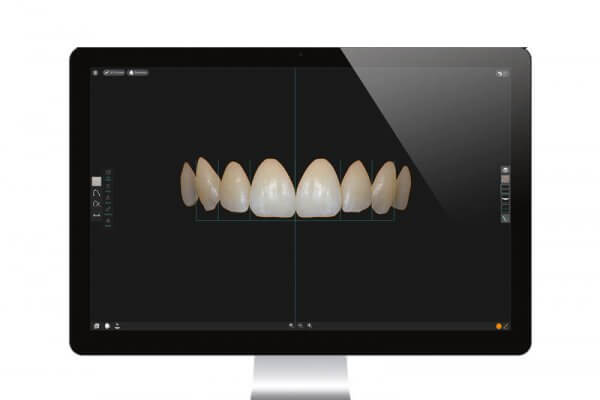
The use of digital technology in the field of dentistry is a reality that is already giving very positive results for the patient in terms of quality, comfort and speed. The intraoral cameras, the 3D radiological equipment, as well as the patient management and communication software, allow an almost complete digitalization of the treatment process of...
12/06/2018
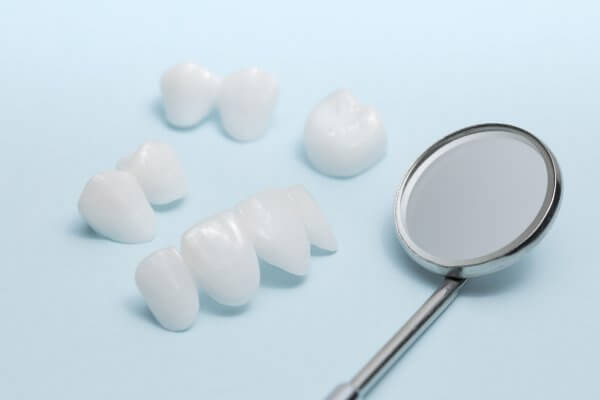
Also known as dental facets, dental veneers are basically very thin cosmetic sheets that cover the visible part of the tooth. Its function is mainly aesthetic, allowing the correction of: Broken or fractured teeth Gaps between the teeth Small or large teeth Poorly positioned teeth Coloring problems (stains, yellow teeth, etc.) As for the materials,...
08/06/2018
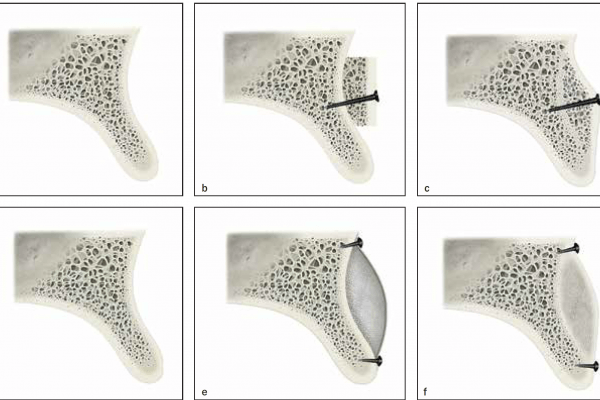
In his last scientific publication "The Fate of Lateral Ridge Augmentation: A Systematic Review and Meta-Analysis.", Professor Hernández Alfaro and his research team put the magnifying glass on the different materials and techniques used for the reconstruction of the alveolar bone. In terms of techniques, block grafts seem to maintain the original volume of increase...
31/05/2018
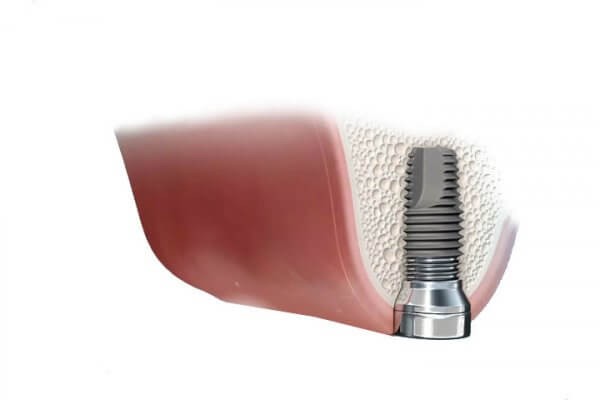
The guided bone regeneration technique (GBR) is used to facilitate bone regeneration when the thickness of the bone in the jaw is insufficient for the placement of a dental implant. After placement of the implant, the area of bone deficiency is coated with autogenous bone (the patient's own bone) and/or with an artificial bone replacement...