29/10/2020
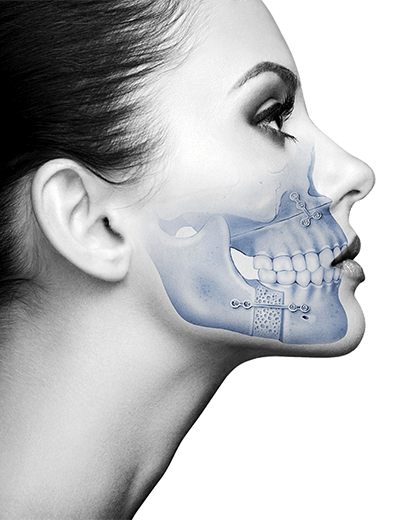
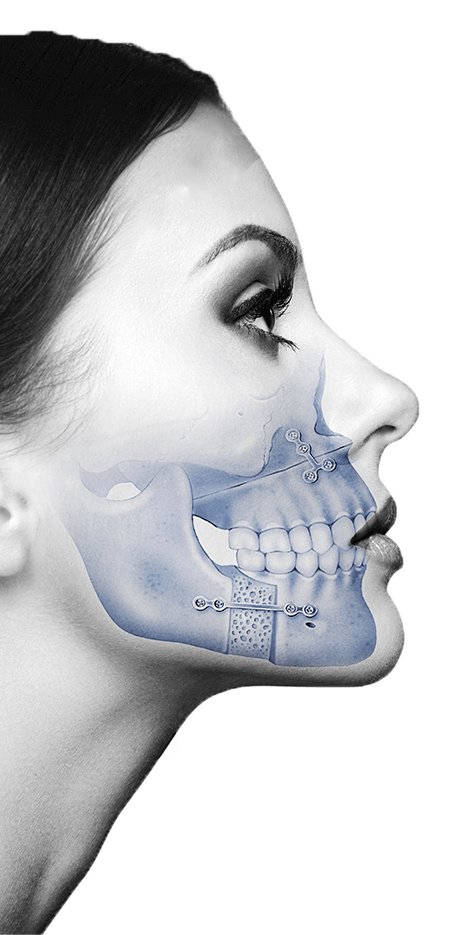
Relapse is a fear commonly expressed by patients who undergo any surgery. In the case of orthognathic surgery, there are mainly two types: 1- Dental relapse, when there is a change in the position of the teeth after surgery — this type of recurrence is the most common. 2- Skeletal relapse, when there is a...
24/09/2020
Every surgical procedure generates certain nervousness and stress in the patient, which is why the performance of adequate sedation is essential and necessary for the patient and for the correct development of the surgery. Within the specialty of Maxillofacial Surgery there are different types of medium complexity interventions that can be performed on an outpatient...
18/09/2020
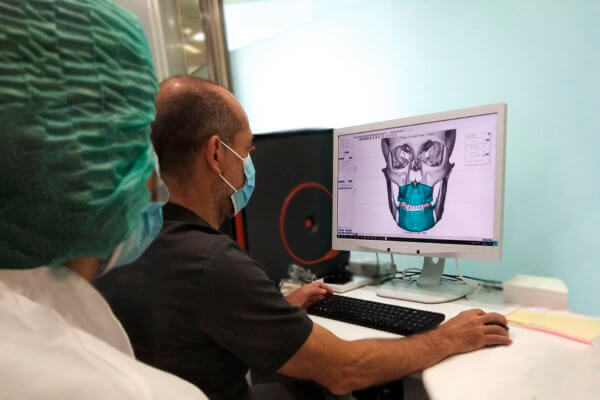
The Maxillofacial Institute was the first European center to introduce three-dimensional planning of surgeries. Through the introduction of the intraoral surface scanner, the CBCT or low radiation cone beam scanner and the latest generation 3D software, we carry out the analysis of each case, completely in situ, and with millimeter precision. Thus, the planning process...
20/07/2020
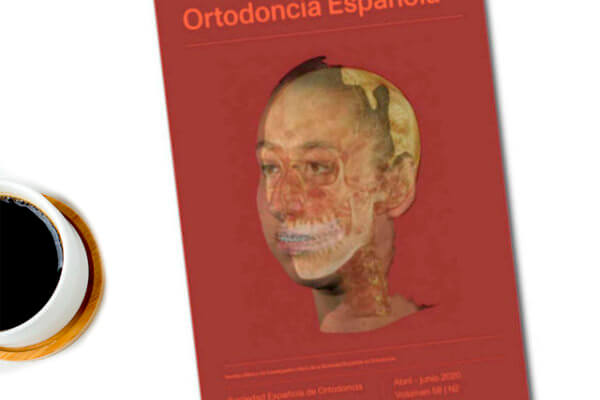
Prof. Federico Hernández Alfaro, Professor of Oral and Maxillofacial Surgery and Director of the Maxillofacial Institute, was recently invited by the Spanish Society of Orthodontics to contribute to the Tribuna article in the new edition of the magazine of this prestigious institution. In this opinion piece, Prof. Hernández Alfaro talks about the new paradigms of...