15/10/2019
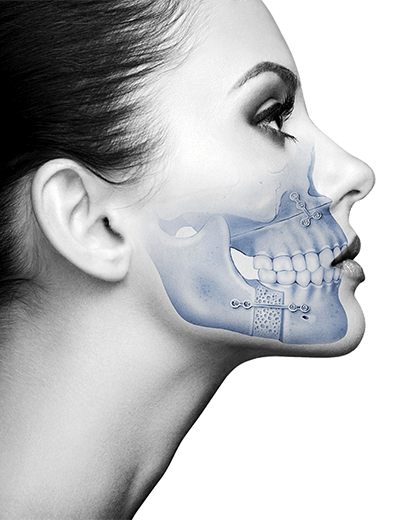
In most candidates to orthognathic surgery , it is necessary to reposition both jaws to achieve proper occlusion and facial harmony, this procedure is known as maxillomandibular surgery, double jaw surgery or bimaxillary orthognathic surgery. Bimaxillary orthognathic surgery is used to treat malformations such as Class 2 bite, Class 3 bite, facial asymmetry, or open...
10/09/2019
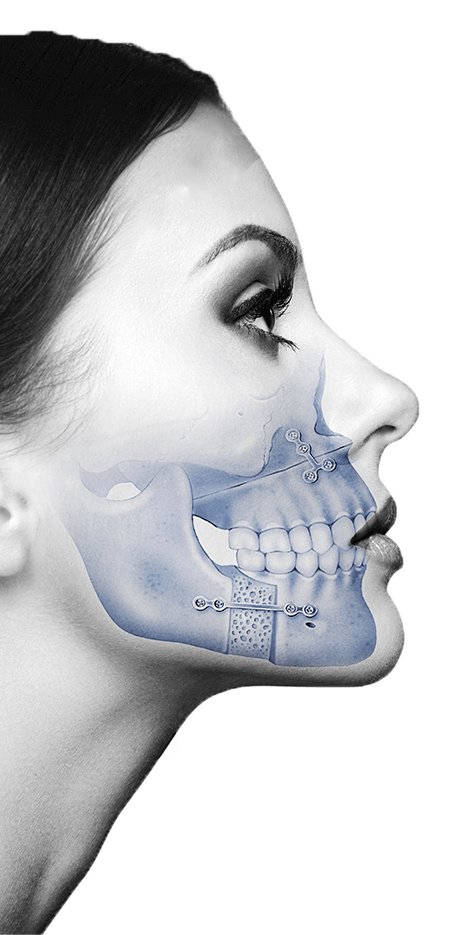
When undergoing an intervention that is expected to achieve an aesthetic improvement, it is essential that the patient is firmly aware of what can and cannot be achieved. The patient must set realistic goals, and it is the duty of the surgeon to inform his or her patients of the results that can be achieved,...
23/08/2019
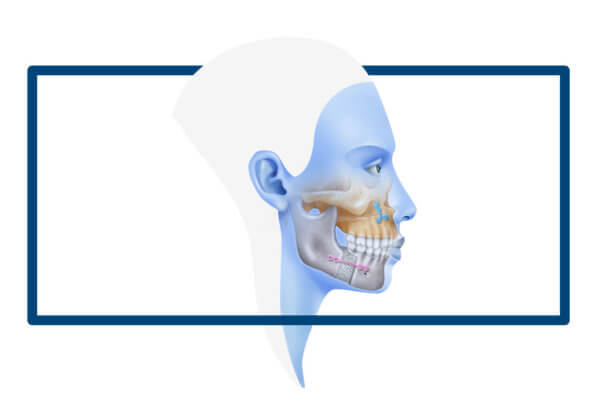
Maxillofacial deformities include a good number of alterations that are characterized by involving different elements of the facial skeleton. In a generic way, these are divided into two large groups: congenital and acquired. In the congenital group are included those alterations that are already present in the individual at the time of birth. The most...
29/05/2019
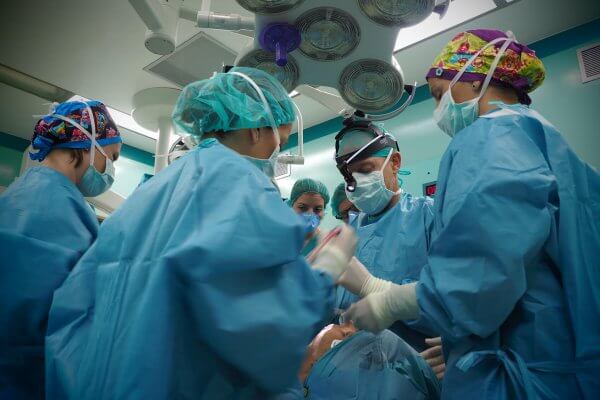
Even though our patients always know in advance the procedures that will be carried out during their surgery, many of them would like to know exactly what happens once the anesthesia takes effect. This is a step by step breakdown of a bimaxillary orthognathic surgery with general anesthesia at the Maxillofacial Institute: After hospital admission,...