21/06/2021
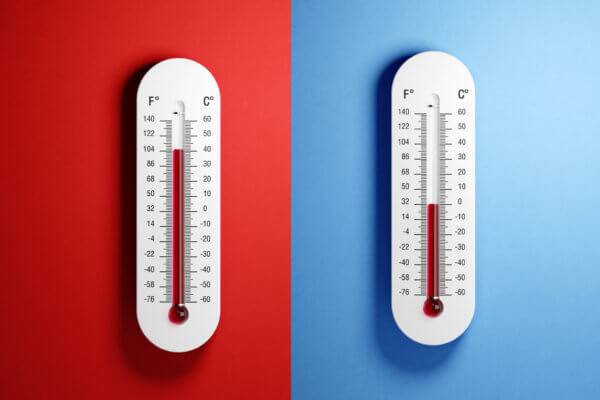
Many people wonder what is the best time to undergo surgery, especially in the facial area. That heat increases inflammation is a fairly widespread myth that needs to be debunked. Heat does increase the sensation of inflammation, and therefore the discomfort, but there is no evidence showing that inflammation is objectively greater in hot weather....
17/06/2021
To move the face, messages are sent from the brain to the facial muscles through a nerve called the facial nerve. The messages sent by these nerves allow you to smile, frown, close your eyes, etc. Due to the importance of facial mimicry in human relationships and the anatomical, physiological and psychological effects of its...
01/06/2021
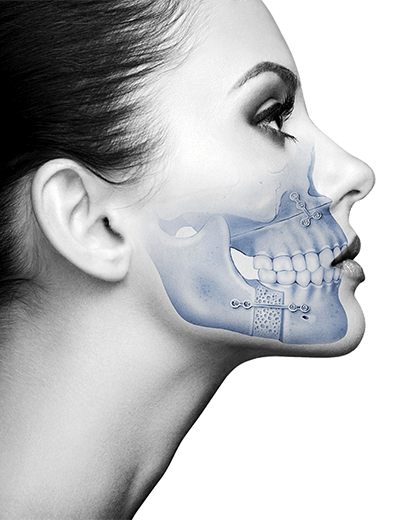
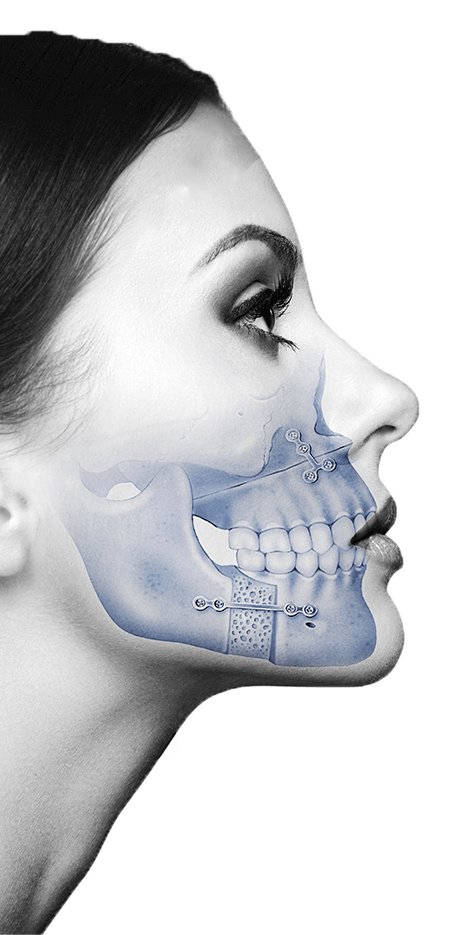
Although orthognathic / orthofacial surgery is a very serious procedure, the reality is that in recent years it has gone from being a rather long and traumatic surgery for the patient, to a much rapid procedure carried out using minimally invasive techniques that make the recovery process is considerably less uncomfortable than it used to...
23/03/2021
So you had your surgery, swelling has subsided well, your bite is perfect. But you feel your whole face has changed and you don't recognise your nose, smile etc. Even if people tell you that you look better, you feel like the face staring at you from the mirror is not yours…Is it common to...