18/09/2020
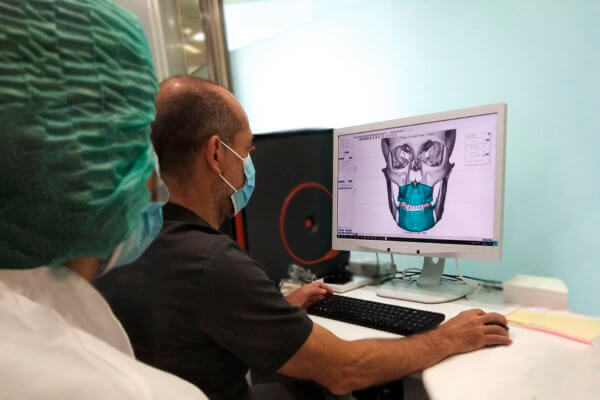
The Maxillofacial Institute was the first European center to introduce three-dimensional planning of surgeries. Through the introduction of the intraoral surface scanner, the CBCT or low radiation cone beam scanner and the latest generation 3D software, we carry out the analysis of each case, completely in situ, and with millimeter precision. Thus, the planning process...
25/06/2020
Many people wonder if they can correct their Type II or III malocclusion only with orthodontia and thus avoid undergoing surgery. To clarify this doubt, it is necessary to visualize the field of action of both specialties: orthodontics and orthognathic surgery. Braces act on the teeth, correcting their position in the dental arches, but, although...
12/03/2020
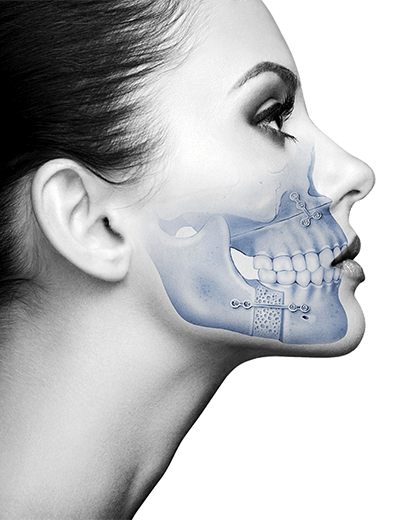
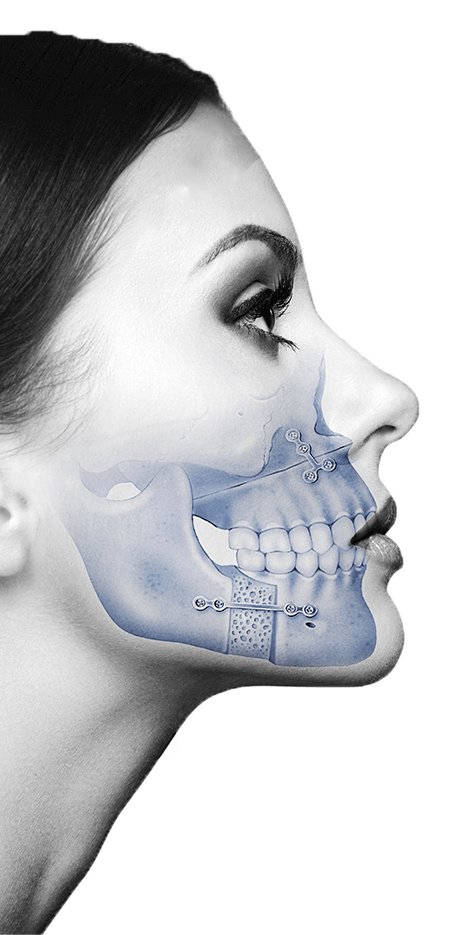
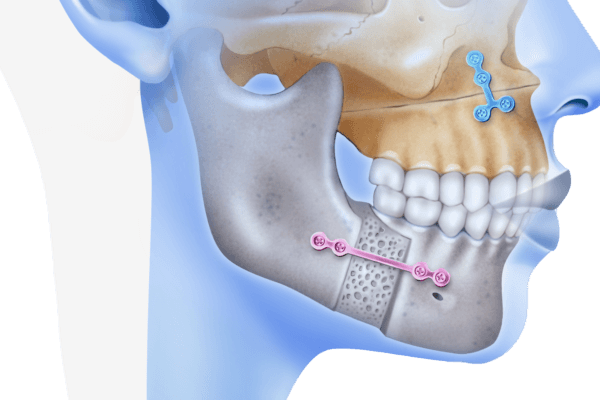
Years ago, fixation devices in orthognathic surgery were mainly steel wires, plates and screws to fix the jaws in their new position. Today, fixation is accomplished with the help of titanium plates and screws that are placed internally during surgery. Titanium is a fairly soft metal that has the unique property of being biocompatible, that...
20/02/2020
Orthognathic surgery aims to improve occlusal relationship and facial symmetry; However, with the performance of these surgical procedures, secondary changes may occur in the nasal projection and the angular relationship of the nose with the face. It is important to keep in mind that the negative changes that are anticipated during the planning stage can...