01/10/2019
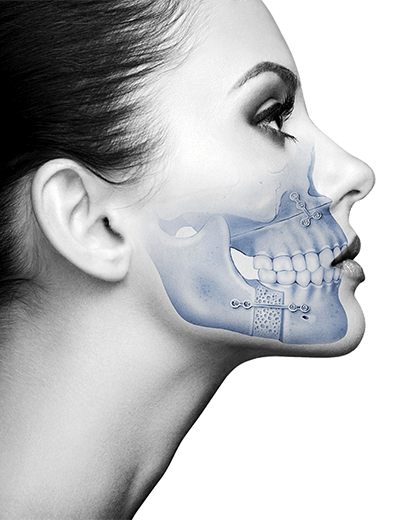
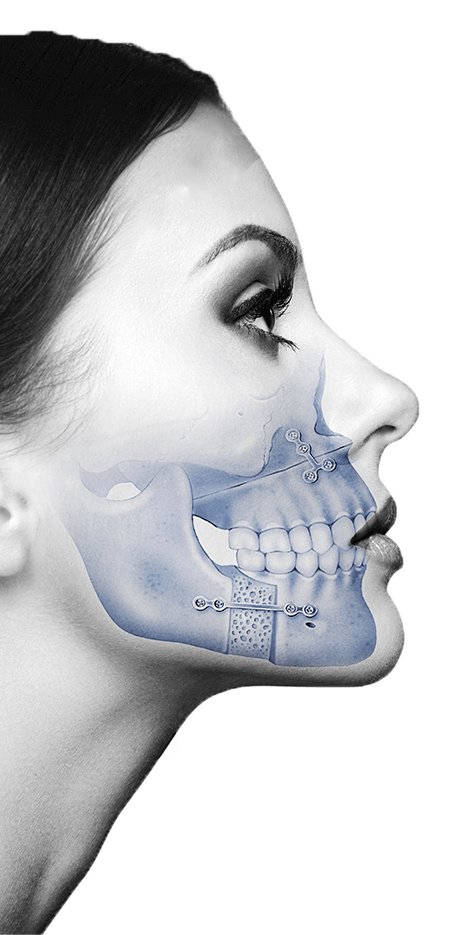
Orthognathic surgery is indicated to treat the imbalances that exist between the jaw and maxilla of a patient. When we talk about monomaxillary orthognathic surgery, we mean an intervention that treats only one of these two parts, either the jaw or the maxilla. Thus, monomaxillary orthognathic surgery can be of two types: Orthognathic maxillary...
18/09/2019
Although our orthognathic surgery patients do not usually report pain during their postoperative period, most agree that swelling is the most important source of discomfort, especially during the first three days, when it reaches its peak, before gradually decreasing. In this aspect, we can distinguish between two types of inflammation: Superficial inflammation: it is the...
10/09/2019
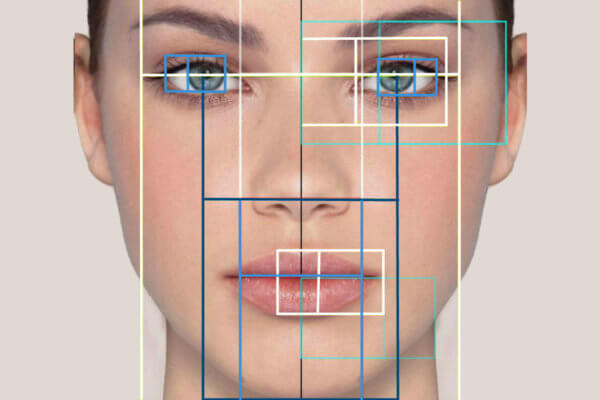
When undergoing an intervention that is expected to achieve an aesthetic improvement, it is essential that the patient is firmly aware of what can and cannot be achieved. The patient must set realistic goals, and it is the duty of the surgeon to inform his or her patients of the results that can be achieved,...
23/08/2019
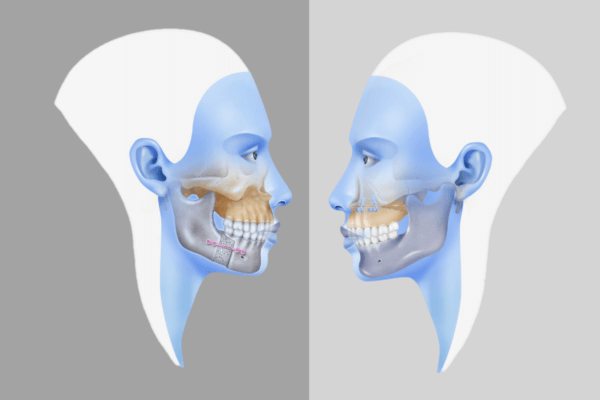
Maxillofacial deformities include a good number of alterations that are characterized by involving different elements of the facial skeleton. In a generic way, these are divided into two large groups: congenital and acquired. In the congenital group are included those alterations that are already present in the individual at the time of birth. The most...